
Owning a vehicle is a long-term commitment that goes far beyond simply driving from place to place. From the moment you begin researching cars to the day you finally dispose of one, there is a full lifecycle involved—one that includes financial planning, maintenance, upgrades, and eventual replacement.
Understanding this lifecycle helps you make smarter decisions, reduce costs, and extend the usability of your vehicle. It also ensures that you handle each stage responsibly, from protecting your investment to disposing of it in an environmentally friendly way.
What many people don’t realize is how many different industries and services are connected to vehicle ownership. From choosing the right insurance agency to sourcing supplies like bulk motor oil wholesale, every decision plays a role in your overall experience. Even seemingly unrelated elements—such as organizing your garage with heavy duty racks or improving your workspace through AC installation—can have a direct impact on how well you maintain your vehicle.
Additionally, modern innovations like gas purification technologies highlight how car ownership today is tied not only to convenience but also to environmental responsibility. As vehicles age, services like cash for junk cars and professional junk removal become essential in closing the lifecycle efficiently and responsibly.
Whether you’re a first-time car owner or someone who has gone through multiple vehicles, taking a comprehensive approach can save you time, money, and stress. In this guide, we’ll walk through every phase of car ownership and highlight the essential services, tools, and technologies that play a role along the way—helping you get the most value out of your investment from beginning to end.
1. Choosing the Right Cars for Your Needs

The first step in the lifecycle is choosing from the many cars available on the market. This decision sets the tone for your entire ownership experience, so it’s important to approach it thoughtfully.
Start by identifying your primary needs. Do you commute long distances? A fuel-efficient sedan or hybrid may be ideal. Do you need hauling power? A truck or SUV might be a better fit. Families often prioritize safety features and interior space, while business owners may focus on durability and utility.
Budget is another critical factor. Beyond the purchase price, consider insurance, fuel, maintenance, and depreciation. A cheaper car upfront may cost more in repairs over time, while a slightly more expensive but reliable model could save you money in the long run.
Doing your research—including reading reviews and comparing models—ensures that you choose a vehicle that aligns with both your lifestyle and financial goals.
2. Why Working with a Reliable Insurance Agency Matters
After purchasing your vehicle, protecting it should be your next priority. Partnering with a reputable insurance agency ensures you’re financially covered in case of accidents, theft, or damage.
Insurance policies can vary widely, so it’s important to understand your options. Liability coverage is typically required by law, but comprehensive and collision coverage provide additional protection. If you’ve invested in a newer or higher-value vehicle, broader coverage is often worth considering.
A good insurance agency doesn’t just sell policies—it helps you evaluate risk, understand deductibles, and find discounts that match your situation. For example, bundling home and auto insurance or maintaining a clean driving record can significantly reduce premiums.
Ultimately, insurance provides peace of mind. It allows you to enjoy your vehicle without constantly worrying about the financial consequences of unexpected events.
3. Understanding Key Components Like the Driveshaft
To keep your vehicle in top condition, it’s helpful to understand the basic components that make it run. One essential part is the driveshaft, which transfers power from the engine to the wheels.
The driveshaft plays a critical role in the movement of your vehicle. If it fails, your car won’t be able to deliver power effectively, which can lead to serious mechanical issues. Common warning signs of a failing driveshaft include vibrations while driving, unusual noises, and difficulty turning.
Regular inspections can help identify problems early. Mechanics can check for wear, imbalance, or damage and recommend repairs before issues escalate. Replacing a driveshaft when needed may seem like a significant expense, but it’s far less costly than dealing with a complete drivetrain failure.
Understanding components like this empowers you to make informed maintenance decisions and avoid unnecessary risks.
4. Essential Maintenance Using Bulk Motor Oil Wholesale Supplies
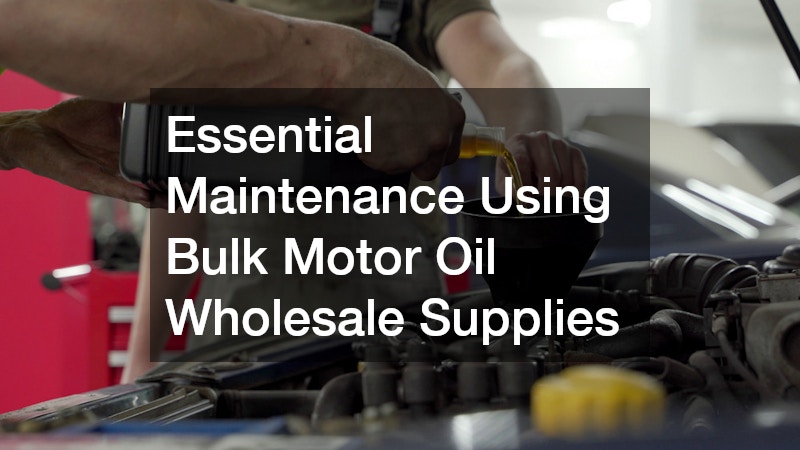
Routine maintenance is key to extending the life of your vehicle, and oil changes are one of the most important aspects of that maintenance. Engine oil lubricates moving parts, reduces friction, and helps regulate temperature.
For individuals who perform their own maintenance—or businesses managing multiple vehicles—purchasing bulk motor oil wholesale is a practical and cost-effective option. Buying in bulk reduces the cost per unit and ensures you always have oil available when you need it.
Consistency is crucial. Following the manufacturer’s recommended oil change intervals helps prevent engine wear and improves performance. Skipping oil changes or using low-quality products can lead to sludge buildup, overheating, and long-term damage.
By investing in quality oil and maintaining a regular schedule, you protect your engine and maximize the lifespan of your vehicle.
5. Organizing Your Garage with Heavy Duty Racks
A well-organized garage can make a significant difference in how efficiently you maintain your vehicle. Installing heavy duty racks allows you to store tools, supplies, and spare parts in a structured and accessible way.
Without proper storage, garages can quickly become cluttered, making it difficult to find what you need and increasing the risk of accidents. Heavy duty racks are designed to handle substantial weight, making them ideal for storing items like tires, containers of oil, and mechanical equipment.
An organized workspace not only improves productivity but also enhances safety. When everything has a designated place, you can focus on maintenance tasks without unnecessary distractions.
Investing in storage solutions may seem like a small step, but it has a big impact on your overall car ownership experience.
6. Using Custom Adhesive Solutions for Repairs and Upgrades
Not every repair requires traditional fasteners like screws or bolts. In many cases, custom adhesive solutions provide a reliable and efficient alternative.
Modern adhesives are engineered to withstand extreme conditions, including heat, vibration, and moisture. They can be used for a wide range of applications, from securing interior panels to sealing minor leaks.
One of the main advantages of using adhesive is flexibility. It allows for cleaner finishes and can be easier to apply in tight or complex spaces. Additionally, adhesives often distribute stress more evenly than mechanical fasteners, which can improve durability.
Choosing the right adhesive for your specific needs ensures strong, long-lasting results. Whether you’re making small repairs or working on upgrades, this approach can save time and effort.
7. Improving Comfort with Professional AC Installation

Your garage is more than just a place to park your car—it’s also where maintenance and projects happen. That’s why comfort matters. Investing in professional AC installation can transform your garage into a more usable and enjoyable space.
Temperature control is especially important during hot summer months. A well-installed air conditioning system keeps the environment cool, making it easier to work for extended periods. It also helps protect tools and equipment from heat-related damage.
Modern AC systems are designed with energy efficiency in mind, allowing you to maintain comfort without significantly increasing your energy bills. In addition, a climate-controlled garage can add value to your property.
By improving your workspace, you create an environment that supports better maintenance and overall vehicle care.
8. The Role of Gas Purification Technologies in Modern Automotive Practices
As the automotive industry evolves, environmental responsibility has become a major focus. Gas purification technologies are at the forefront of efforts to reduce vehicle emissions and improve air quality.
These technologies work by filtering and neutralizing harmful substances produced during combustion. Components such as catalytic converters play a key role in converting toxic gases into less harmful emissions.
Advancements in gas purification have made modern vehicles significantly cleaner than their older counterparts. However, these systems require proper maintenance to function effectively. Ignoring issues like a faulty catalytic converter can lead to increased emissions and reduced performance.
By understanding and maintaining these technologies, you contribute to a cleaner environment while ensuring your vehicle operates efficiently.
9. When It’s Time to Let Go: Cash for Junk Cars Options
Eventually, every vehicle reaches a point where repairs are no longer cost-effective. When that time comes, exploring cash for junk cars services can provide a practical solution.
These services allow you to sell your old or damaged vehicle quickly, regardless of its condition. Instead of letting it sit unused, you can turn it into cash while freeing up valuable space.
The process is typically straightforward. Many companies offer quotes based on the vehicle’s condition and may even provide towing services. This makes it easy to transition away from an old car without unnecessary hassle.
Letting go of a vehicle can be difficult, but doing so at the right time ensures you avoid ongoing repair costs and make room for a more reliable option.
10. Final Cleanup: Junk Removal and Responsible Disposal
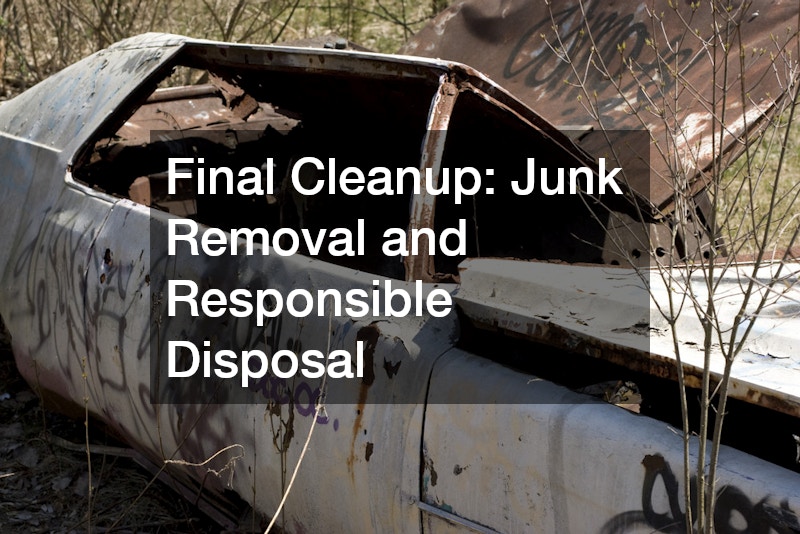
After parting ways with your vehicle, you may be left with leftover parts, tools, and clutter. Professional junk removal services can help you clear out your garage and restore order.
These services handle everything from heavy lifting to proper disposal, saving you time and effort. Many providers also focus on recycling and environmentally friendly practices, ensuring that materials are processed responsibly.
Clearing out unused items creates a cleaner, more functional space. It also prepares you for your next vehicle or project, allowing you to start fresh.
Responsible disposal is the final step in the lifecycle of a car, and it’s just as important as the earlier stages.
Closing Thoughts
The lifecycle of a car involves much more than simply driving. From selecting the right cars and securing coverage through a trusted insurance agency to maintaining critical components like the driveshaft, each stage requires attention, planning, and informed decision-making.
By staying consistent with maintenance and using cost-effective solutions like bulk motor oil wholesale, you can significantly extend the life of your vehicle. At the same time, improving your workspace with heavy duty racks and investing in upgrades such as AC installation creates an environment that makes ongoing care easier and more efficient. Even small choices—like using the right custom adhesive for repairs—can contribute to better performance and long-term durability.
As the automotive world continues to evolve, it’s also important to recognize the role of sustainability. Technologies such as gas purification technologies demonstrate how modern vehicles are designed with environmental impact in mind. Proper maintenance of these systems ensures your car remains both efficient and eco-friendly throughout its lifespan.
Eventually, every vehicle reaches the end of its useful life. Knowing when to transition to cash for junk cars services allows you to recover value while avoiding unnecessary repair costs. Following that, professional junk removal ensures that your space is cleared responsibly, leaving you ready for whatever comes next.
By understanding and managing each phase of the lifecycle, you gain more control over your investment and avoid common pitfalls. Car ownership becomes less about reacting to problems and more about planning for success. With the right approach, you can maximize value, minimize stress, and create a smoother, more rewarding experience from your first car to your last.
Taking a proactive approach to vehicle ownership also helps you stay ahead of unexpected challenges. Instead of reacting to breakdowns or costly repairs, you can anticipate needs, schedule regular maintenance, and make informed upgrades over time. This not only improves reliability but also enhances safety for you and your passengers.
In many ways, the lifecycle of a car mirrors any long-term investment—it requires attention, planning, and occasional reinvestment to maintain its value. By leveraging the right resources, from professional services to quality materials, you create a system that supports both performance and longevity.
Ultimately, the goal is not just to own a car, but to manage it wisely. When each stage is handled with care—from purchase to final disposal—you turn what could be a stressful experience into a streamlined and efficient process. That mindset makes all the difference in achieving lasting value and peace of mind.