- Dead batteries are the leading cause of non-starting vehicles, often due to age, cold weather, or left-on electronics.
- A loud clicking sound usually points toward a faulty starter motor or a weak battery that cannot supply enough current.
- Corroded terminals or loose wiring can block electrical flow, even if the battery itself is fully charged.
- Environmental factors like extreme cold can reduce battery strength by up to 60%, while extreme heat causes internal strain and fluid evaporation.
- Fuel-related issues, such as an empty tank or a clogged fuel filter, can prevent the engine from firing even if it cranks.
- Proactive maintenance and understanding common car problems and solutions can prevent up to 80% of unexpected roadside emergencies.
Introduction
Modern vehicles are no longer just mechanical machines—they are rolling electrical ecosystems. Dozens of sensors, control modules, and safety systems must all communicate flawlessly for your engine to start. Despite this complexity, a no-start condition remains one of the most common and frustrating breakdowns drivers face.
Industry data consistently shows that battery-related failures account for the majority of “car won’t start” incidents, with replacement costs averaging £234 ($300) depending on vehicle type, battery technology, and region. Yet many drivers replace parts unnecessarily because they lack a structured diagnostic approach.
When your car wont start, the issue is often hiding in plain sight—whether it’s a car that won’t start but has power, a vehicle that starts when jumped but wont start again, or an engine that cranks endlessly without firing. This guide breaks down the 10 most common causes, explains why they happen, and shows you quick DIY fixes before you call for a tow.
The Usual Suspect: Battery and Connection Issues
Car batteries are consumable components with a typical lifespan of 3–5 years. Temperature extremes, short trips, and parasitic electrical drains accelerate failure, making the battery the most common cause of no-start conditions.
Signs Your Battery Is the Culprit
A weak or dying battery often provides early warning signs before complete failure:
- Flickering dashboard lights
- Dim or slow-reacting headlights
- A sluggish or labored engine crank
- Electronics resetting when starting
If multiple accessories fail simultaneously, the battery should be your first inspection point.
Actionable Checks
- Inspect battery age (older than 4 years = high failure risk)
- Wiggle terminals by hand (should not move)
- Clean corrosion using baking soda + warm water
- Test voltage (12.6V = healthy, <12.2V = weak)
Estimated Cost
- Terminal cleaning: $0–$10 DIY
- Battery replacement: $150–$350
- Alternator replacement (if charging issue): $400–$900
Car Starts When Jumped but Won’t Start Again
If your car runs immediately after a jump-start but fails again once shut off, the battery is no longer capable of holding a charge. In some cases, this symptom also points to a failing alternator, which cannot replenish the battery while driving.
A quick test: after jump-starting, let the engine run for 15 minutes. If the car stalls shortly afterward, charging system failure is likely.
Dealing with Corroded or Loose Terminals
Battery corrosion—often seen as a green or white powdery buildup—acts as an electrical insulator, restricting current flow. Even a fully charged battery cannot deliver power through corroded terminals.
DIY fix:
Mix baking soda with water, scrub terminals using a wire brush, rinse, and dry thoroughly. Ensure clamps are tight and cannot rotate by hand.
Key Takeaways
Always inspect connections before replacing parts. Loose or corroded terminals are responsible for countless unnecessary battery purchases.
Understanding the “Click”: Starter and Ignition Problems
When dashboard lights are bright but the engine doesn’t turn, the fault usually lies in the starter system or ignition circuit, not the battery itself.
When Car Clicks but Won’t Start
- Single loud click: The starter solenoid engages, but the motor is stuck or worn internally.
- Rapid clicking: The battery lacks sufficient current to keep the solenoid engaged.
This distinction helps immediately narrow down the cause.
How to Start a Car with a Bad Starter
In some cases, worn internal brushes inside the starter lose contact. Gently tapping the starter housing with a tool can temporarily restore contact long enough to start the engine.
For manual transmissions, a push start (rolling the car and releasing the clutch in second gear) may work if the starter motor has failed.
Faulty Ignition Switches and Blown Fuses
If turning the key produces no sound at all, the issue may be upstream:
- Worn ignition switch contacts
- Blown starter or ignition fuse
- Failed starter relay
A quick fuse inspection can save hours of guesswork.
Key Takeaways
A single click points toward mechanical starter failure; rapid clicking usually indicates electrical weakness from the battery or cables.
Actionable Checks
- Listen for single vs rapid clicking
- Tap starter gently with a wrench (temporary fix)
- Check starter relay and ignition fuse
- Try starting in Neutral (automatic transmission)
Estimated Cost
- Starter relay / fuse: $10–$30
- Starter motor replacement: $300–$750
- Ignition switch repair: $200–$500
Environmental Factors: Why Won’t My Car Start in Extreme Weather?
Temperature extremes affect every aspect of engine operation, from oil viscosity to battery chemistry.
Car Won’t Start When Cold
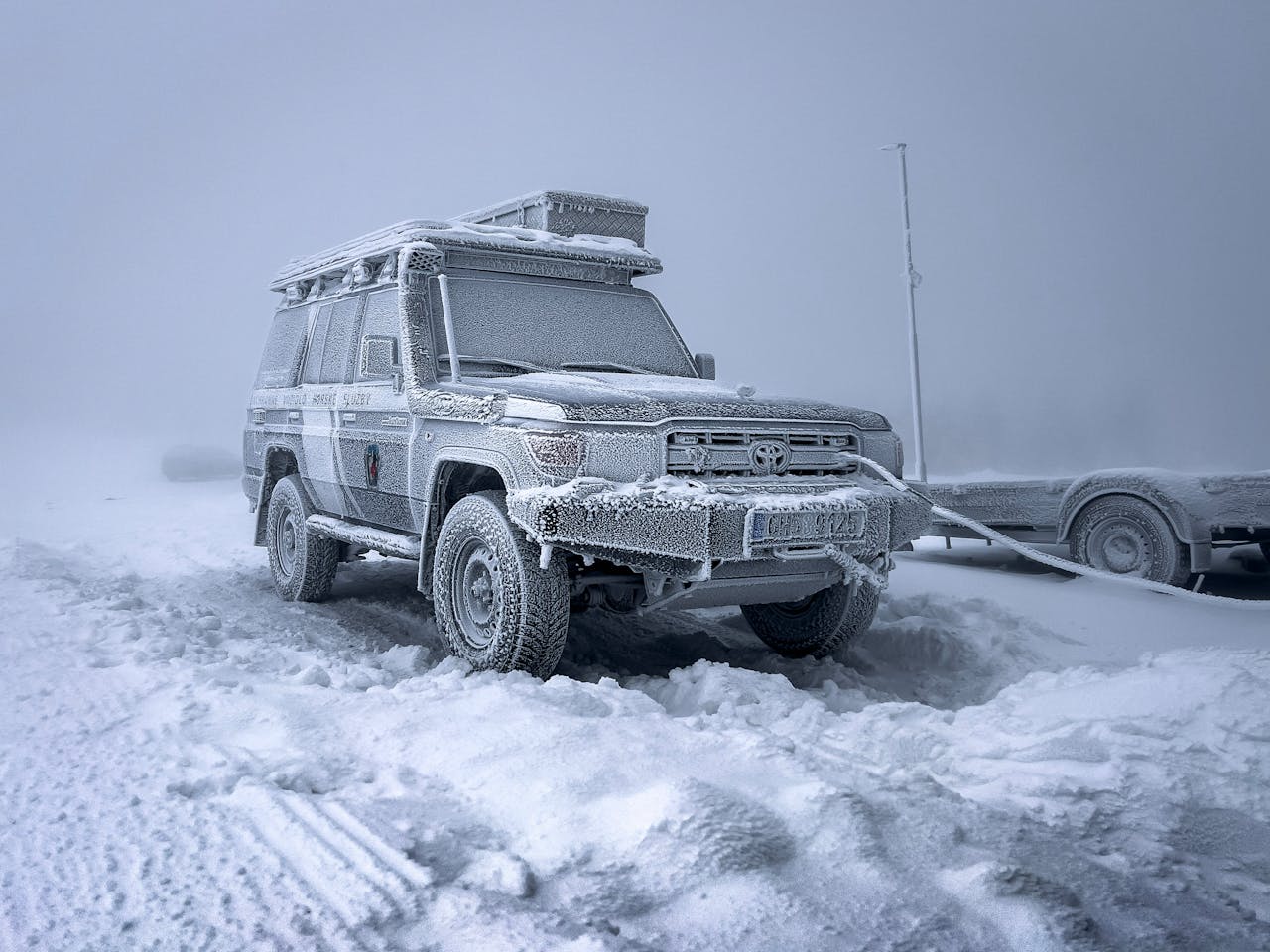
Cold weather thickens engine oil, increasing resistance during startup. At the same time, battery chemical reactions slow dramatically, reducing available power.
Car Won’t Start in Cold but Battery Is Good
If the battery tests healthy, consider:
- Frozen or moisture-contaminated fuel lines
- Incorrect oil viscosity for winter conditions
- Moisture in ignition components
Car Won’t Start When Hot
High temperatures can cause vapor lock, where fuel vaporizes before reaching the injectors. Heat can also damage starter solenoids and crankshaft sensors, leading to intermittent hot-start failures.
Key Takeaways
At 0°F, batteries lose up to 60% of their cranking power, while engines require more energy to turn due to thickened oil.
Actionable Checks
- Use winter-grade engine oil (5W-30 or manufacturer spec)
- Park in a garage during extreme cold
- Let hot engine cool 10–15 minutes before restarting
- Inspect battery insulation in hot climates
Estimated Cost
- Oil change (seasonal): $50–$100
- Battery thermal wrap: $20–$40
- Heat-damaged starter replacement: $350–$800
Fuel and Air: When the Engine Cranks but Won’t Start
If the engine turns over normally but never fires, the problem lies in fuel delivery or ignition spark, not the electrical system.
Troubleshooting an Empty Tank or Faulty Fuel Gauge
Faulty fuel level sensors can mislead drivers. If in doubt, add fuel before assuming mechanical failure.
Clogged Fuel Filters and Failing Fuel Pumps
When you turn the key to the “On” position, listen for a brief humming sound from the fuel pump. Silence often indicates pump failure or a blown fuel pump fuse.
Flooded Engines and Wet Spark Plugs
Older petrol engines may flood if started repeatedly without firing. Pressing the accelerator fully while cranking can activate “clear flood” mode on some vehicles.
Key Takeaways
Cranking without starting usually means fuel starvation or spark failure, not a dead battery.
Actionable Checks
- Add fuel even if gauge reads above empty
- Listen for fuel pump “hum” when key is turned
- Replace clogged fuel filter (if serviceable)
- Hold accelerator fully while cranking (clear flooded engine)
Estimated Cost
- Fuel filter replacement: $50–$150
- Fuel pump replacement: $500–$1,200
- Spark plug replacement: $100–$300
Security and Electronic Glitches
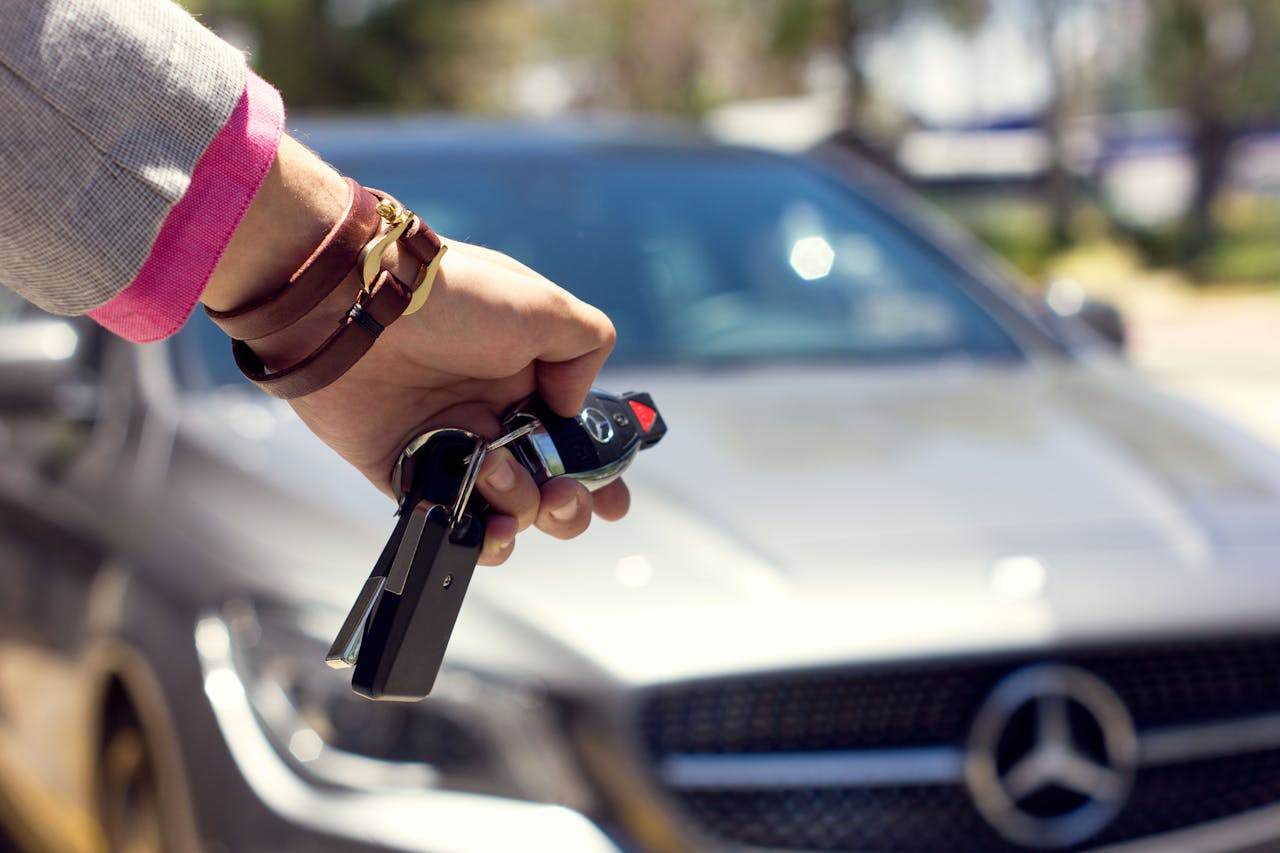
Advanced immobilizers and electronic safety systems can unintentionally prevent engine startup.
Car That Won’t Start but Has Power
A flashing immobilizer or key icon on the dashboard indicates the car does not recognize the key.
Low Key Fob Battery and Signal Interference
Weak key fob batteries are a common but overlooked cause. Many push-start vehicles allow direct fob contact with the start button to bypass low signal strength.
The Neutral Safety Switch
Automatic transmissions may fail to detect “Park.” Attempt starting in Neutral to bypass a faulty switch.
Key Takeaways
Electronic security systems can mimic mechanical failure—always check warning lights before assuming engine trouble.
Actionable Checks
- Watch immobilizer warning light
- Replace key fob battery annually
- Hold fob directly to start button
- Try spare key if available
Estimated Cost
- Key fob battery: $5–$15
- Key reprogramming: $100–$300
- Immobilizer module repair: $400–$1,000
Conclusion
Troubleshooting a car that won’t start is best approached as a process of elimination, beginning with the simplest and most common failures—battery and connections—before moving into starters, fuel systems, and electronics. Most 2025 vehicles provide clear diagnostic clues through dashboard indicators if you know what to look for.
For detailed maintenance intervals and vehicle-specific procedures, consult your owner’s manual or professional guidance from the Automotive Service Association, which tracks emerging repair trends and best practices. Keeping jumper cables, a multimeter, and basic tools in your vehicle remains one of the most effective ways to avoid being stranded.
FAQ
Why does my car make a clicking noise but won’t start?
This usually indicates insufficient electrical current. The starter solenoid clicks, but the battery cannot supply enough power to turn the engine.
Can a car start with a bad alternator?
Yes, temporarily. Once the battery drains, the engine will stall and fail to restart.
How can I tell if my starter is bad or my battery is dead?
Bright headlights suggest a starter issue; dim or non-functional lights point to a dead battery.
Will my car start if a fuse is blown?
Only if the fuse is unrelated. Blown fuel pump or ignition fuses will prevent starting.
Is it safe to jump-start a 2025 model?
Yes—if manufacturer-approved grounding points are used to protect sensitive electronic modules.