- Insurance is essential for protecting your used car from accidents, theft, and unexpected damage.
- Liability, collision, and comprehensive coverage are the main types of insurance to consider based on your car’s value and usage.
- Insurance costs vary depending on factors like car age, make, model, safety features, and your driving history.
- Comparing quotes and exploring discounts can help lower your insurance premiums without sacrificing coverage.
- Full coverage may be necessary for newer or higher-value used cars, while older vehicles might only need liability insurance.
- Transferring existing insurance or having coverage in place before ownership is crucial to avoid legal and financial risks.
- Evaluating both your car and personal needs ensures you choose insurance that provides adequate protection and peace of mind.
Buying a used car can be a smart financial choice, but understanding insurance is essential to protect your investment. Unlike new cars, used vehicles often come with different risks, coverage options, and cost considerations. Whether it’s your first time purchasing a used car or you are upgrading to a newer model, knowing how insurance works can save you money and ensure you’re properly protected.
This guide breaks down everything you need to know about insurance when buying a used car, from coverage types to cost-saving tips.
Why Insurance is Crucial When Buying a Used Car
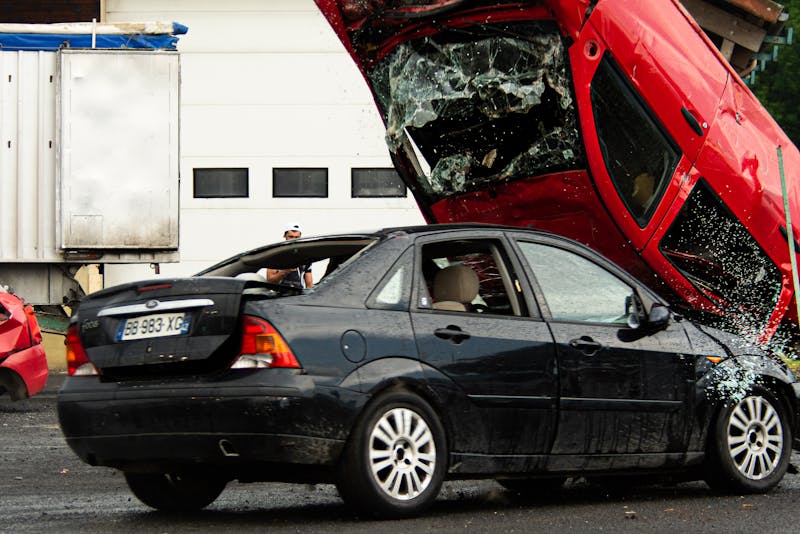
Insurance isn’t just a legal requirement—it’s your financial safety net. When purchasing a used car, unexpected repairs, accidents, or theft can quickly become costly. Comprehensive coverage ensures you aren’t left paying out-of-pocket for damages, while liability coverage protects you if you’re at fault in an accident.
Unlike new cars, used cars may have higher maintenance costs and pre-existing wear that can affect their value. Understanding how insurance works for used vehicles helps you choose the right plan that balances protection and affordability. Additionally, insurance requirements vary by state, so knowing local regulations is crucial before signing the papers.
Types of Insurance Coverage for Used Cars
Choosing the right type of insurance is one of the most important steps after buying a used car. Here are the main options:
Liability Insurance
Liability coverage is often mandatory. It pays for damage or injuries you cause to others in an accident. While it won’t cover your car’s repairs, it protects you from costly legal claims.
Collision Insurance
This covers the cost of repairs if your car sustained damage due to an accident, regardless of who is at fault. This is especially useful for newer used cars with higher resale value.
Comprehensive Insurance
This coverage protects your car from theft, vandalism, natural disasters, or other unexpected events. Comprehensive insurance is recommended for used cars of significant value.
Uninsured/Underinsured Motorist Coverage
If you’re hit by a driver without adequate insurance, this coverage ensures your medical bills and damages are covered. It’s an essential safeguard for peace of mind.
How Much Does Insurance Cost for a Used Car?
Insurance costs for used cars vary widely based on factors such as the car’s age, make, model, mileage, and your driving history. Older cars often have lower premiums, but they may lack safety features that reduce risk. High-performance or luxury used cars typically cost more to insure due to higher repair costs.
Other factors include your location, deductible choices, and coverage limits. Shopping around and comparing multiple insurance providers can help you find the best deal. Additionally, bundling car insurance with home or life insurance policies may offer discounts.
Things to Consider When Choosing Insurance for a Used Car
When choosing insurance for your used car, it’s important to evaluate both the vehicle and your personal needs. Consider:
- Car Value: Higher-value cars may require full coverage, while older vehicles might be fine with liability-only coverage.
- Usage: If you drive long distances daily, collision and comprehensive coverage become more critical.
- Safety Features: Cars with airbags, anti-theft systems, and advanced safety technologies often qualify for lower premiums.
- Claims History: Frequent past claims may affect your premiums and coverage options.
Paying attention to these factors ensures you get insurance that meets your needs without overspending.
How to Lower Your Insurance Costs on a Used Car
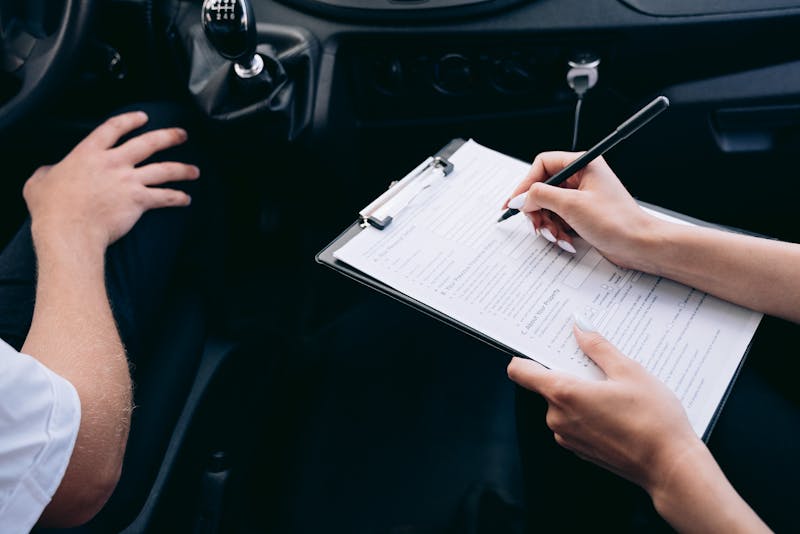
Saving on insurance doesn’t mean compromising coverage. Here are practical tips:
- Compare Quotes: Check multiple insurers for the best rates.
- Increase Deductibles: Higher deductibles lower monthly premiums, but make sure you can afford it in case of a claim.
- Maintain a Clean Driving Record: Safe driving habits help reduce premiums over time.
- Look for Discounts: Many insurers offer discounts for bundling policies, low mileage, or completing defensive driving courses.
By being proactive, you can get adequate coverage without breaking the bank.
Common Questions About Insurance When Buying a Used Car
Do I Need Full Coverage for a Used Car?
Not always. Full coverage is recommended for newer or higher-value used cars. Older cars with low resale value may only need liability insurance.
Can I Transfer Insurance from My Previous Car?
Yes, most insurance providers allow you to transfer policies to your new vehicle. Check with your insurer about coverage changes and premium adjustments.
How Soon Should I Get Insurance?
You should have insurance in place before taking ownership of the car. Driving without coverage is illegal and risky.
Final Tips for Car Buyers
Buying a used car involves more than checking the vehicle itself. Along with mechanical inspections and title checks, you must prioritize insurance. Look for reputable providers, compare plans, and choose coverage based on your needs and budget. Remember, understanding things to look for when buying a used car extends to knowing how to protect it properly through insurance. Doing so ensures peace of mind and financial security for years to come.