- Modern vehicle complexity in 2025 means more electronic components require regular maintenance to prevent glitches.
- Common issues like dead batteries and worn brakes remain top priorities for drivers.
- Addressing car AC problems such as refrigerant leaks early can prevent costly compressor failure.
- Strategic maintenance, including regular oil changes and spark plug inspections, can increase a vehicle’s lifespan by up to 50%.
- Identifying emergency issues like car engine problems (overheating or smoke) early is critical to avoiding total engine failure.
Introduction
Authority Positioning
In 2025, the automotive landscape is rapidly evolving toward connected, software-defined vehicles with advanced driver assistance systems (ADAS), predictive diagnostics, and integrated sensors. Despite these advancements, mechanical reliability remains the primary concern for vehicle owners. From compact sedans to full-size SUVs, unresolved basic faults continue to account for the majority of roadside breakdowns and repair shop visits.
This guide provides a foundational troubleshooting framework that applies to both foreign and domestic vehicles, combining traditional mechanical knowledge with modern diagnostic awareness.
Research Signal
Recent industry data indicates that global vehicle sales are projected to reach nearly 98.7 million units in 2025, with manufacturers and insurers emphasizing predictive maintenance as a cost-control strategy. Preventable mechanical failures still account for billions in annual repair expenses, much of which could be avoided with early intervention.
Keyword Integration
While high-tech features continue to expand, common car problems and solutions—such as a car that won’t start, inconsistent braking, engine overheating, and air conditioning failure—remain the dominant reasons drivers seek professional service.
The Battery and Charging System: Why Your Car Won’t Start
The electrical system is the most frequent point of failure in modern vehicles, particularly as 2025 models rely heavily on onboard computers, ADAS sensors, infotainment systems, and telematics modules. Even when the engine is off, these systems create continuous parasitic draw, making the battery and alternator critical reliability components. Short driving cycles and stop-and-go usage further prevent proper recharging, accelerating electrical failure.
Diagnosing a Dead or Weak Battery
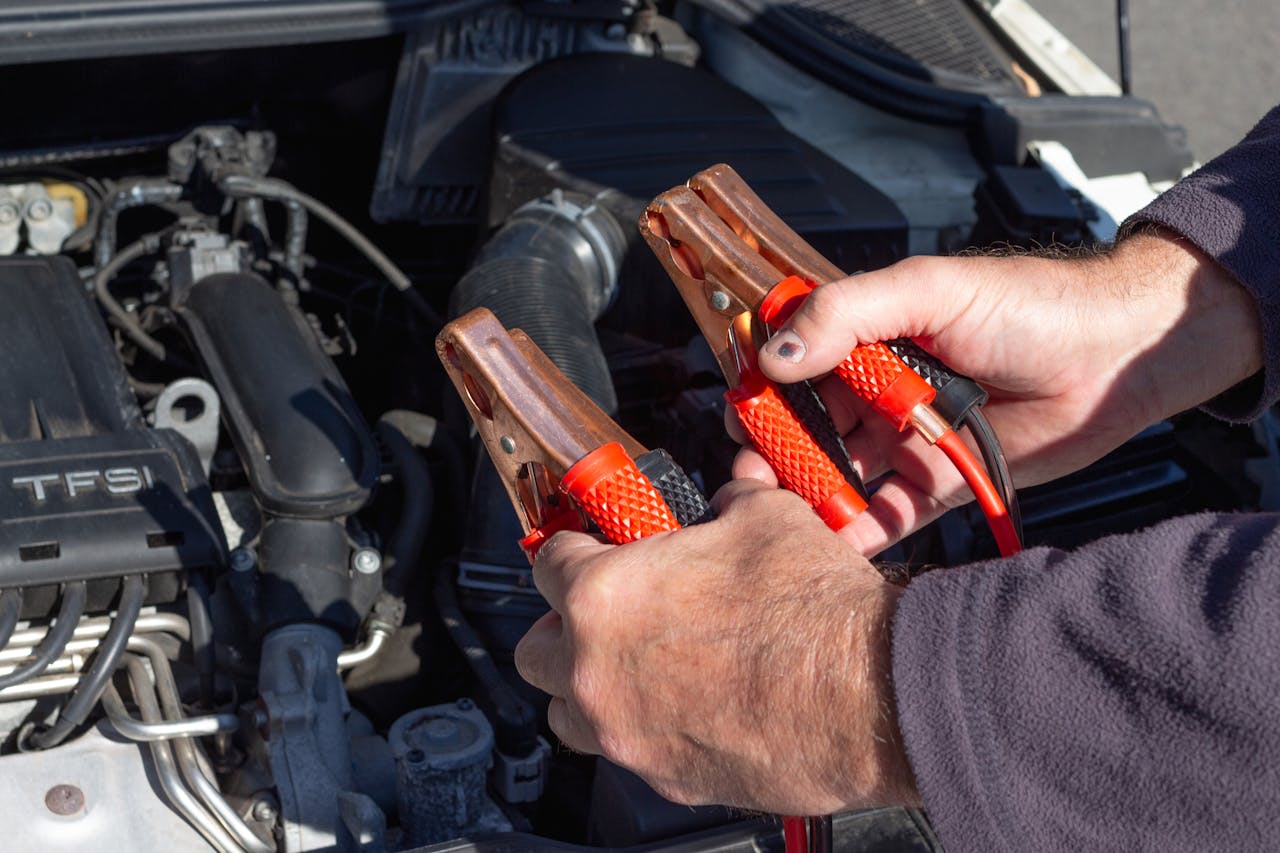
A failing battery does not always die suddenly. In many cases, it loses load capacity—appearing normal at rest but collapsing during engine start. Cold weather, infrequent driving, and constant electronic demand significantly reduce battery efficiency. A proper load test or multimeter reading under cranking conditions provides the most accurate diagnosis.
Common symptoms / trigger points:
- Slow or labored engine cranking
- Clicking sound when turning the key
- Dashboard or infotainment resetting
- Vehicle starts only after jump-start
- Battery older than 3–5 years
- Short trips under 15 minutes
Signs of Alternator Failure vs. Battery Wear
While the battery stores power, the alternator generates and regulates voltage while driving. In modern vehicles, alternator output is ECU-controlled for fuel efficiency, making failures intermittent and harder to detect early. Replacing the battery repeatedly without resolving charging issues is a strong indicator of alternator or voltage-regulator failure.
Common alternator-related warning signs:
- Battery warning light illuminated
- Multiple electrical accessories failing at once
- Headlights dimming or flickering at idle
- Burning smell from engine bay
- Battery repeatedly draining after replacement
Key Takeaways
- Resting voltage below 12.2V indicates a battery needing immediate charging or replacement.
- Voltage dropping below 9.6V during cranking confirms battery failure.
- Flickering dashboard lights or dim headlights at idle usually indicate alternator or regulator issues.
- Replacing batteries without testing the charging system often leads to repeat failures.
Approximate Repair Budget (2025)
- Battery replacement: $120–$250
- Alternator replacement: $450–$1,200
- Battery terminal / cable repair: $50–$150
- Diagnostic electrical testing: $75–$150
2. Common Car Engine Problems and Solutions
Engine problems remain the most expensive and anxiety-inducing failures for vehicle owners. In 2025, engines are more efficient but also more sensitive, relying heavily on sensors, tight tolerances, and precise fuel delivery. Minor issues such as misfires or temperature fluctuations can escalate quickly if ignored.
Troubleshooting Engine Misfires and Rough Idling
Modern engines demand precise air-fuel balance. Even small disruptions—such as worn spark plugs, carbon buildup on intake valves (especially in direct-injection engines), or faulty ignition coils—can cause misfires. These issues are often intermittent and may not immediately trigger a check engine light.
Vacuum leaks and sensor inaccuracies force the ECU to overcorrect fuel delivery, resulting in shaking at idle, hesitation, or poor acceleration. Prolonged misfires allow unburned fuel into the exhaust, rapidly damaging the catalytic converter.
Common symptoms / trigger points:
- Shaking or vibration at idle
- Hesitation during acceleration
- Reduced fuel efficiency
- Flashing or steady check engine light
- Carbon buildup from short trips
- Aging ignition components
Dealing With Overheating and Coolant System Failures
Overheating is one of the fastest ways to cause catastrophic engine damage. Modern cooling systems rely on electric water pumps, electronic thermostats, and multiple temperature sensors. These components can fail without visible leaks, causing sudden temperature spikes—especially in traffic or at idle.
Repeated minor overheating episodes weaken head gaskets and warp aluminum engine components over time, often leading to delayed but severe engine failure.
Common symptoms / trigger points:
- Temperature gauge rising above normal
- Coolant warning light
- Coolant loss without visible leaks
- Overheating at idle but not highway speeds
- Sweet smell from engine bay
Understanding Exhaust Smoke Colors
Exhaust smoke provides immediate insight into internal engine health. Persistent smoke indicates mechanical failure rather than temporary conditions like cold-start condensation.
Smoke color indicators:
- White (thick): Coolant entering combustion chamber
- Blue: Oil burning due to worn seals or rings
- Black: Excess fuel from sensor or injector issues
Key Takeaways
- Misfires should be addressed immediately to prevent catalytic converter failure.
- Overheating—even briefly—causes cumulative internal engine damage.
- Exhaust smoke color is a reliable early diagnostic indicator.
Approximate Repair Budget (2025)
- Spark plugs / coils: $150–$600
- Cooling system repair: $250–$1,500
- Head gasket repair: $2,000–$6,000+
- Engine diagnostics: $100–$200
3. Common Car AC Problems and Solutions: Keeping Your Cabin Cool
Car AC systems are among the most frequently used comfort features and one of the most neglected. In 2025 vehicles, AC systems rely on precise pressure balance, electronic compressors, and multiple sensors—making early maintenance essential.
Weak Cooling and Poor Airflow
Weak AC performance is rarely caused by total compressor failure. In most cases, slow refrigerant leaks reduce cooling efficiency long before the system stops working. Drivers often delay service, unknowingly allowing compressor damage to develop.
Airflow issues commonly originate beyond the cabin filter. Evaporator cores accumulate dust and biological growth over time, restricting airflow and reducing heat exchange.
Common symptoms / trigger points:
- AC blows cool but not cold air
- Cooling improves only while driving
- Weak airflow from vents
- Cabin filter overdue for replacement
- Infrequent AC usage
Strange Noises and Foul Odors
Grinding or rattling noises often indicate blower motor or compressor wear. Musty odors result from moisture trapped on the evaporator core, promoting bacterial and mold growth—especially in vehicles that frequently use recirculation mode.
Common symptoms / trigger points:
- Grinding or chirping when AC turns on
- Musty or sour smell from vents
- Reduced airflow with odor present
- Water not draining under vehicle
Key Takeaways
- Running the AC weekly year-round helps preserve seals.
- Weak cooling often indicates refrigerant loss—not compressor failure.
- Odors usually signal biological buildup, not “bad air.”
Approximate Repair Budget (2025)
- Cabin filter replacement: $30–$80
- Refrigerant recharge: $150–$300
- Compressor replacement: $900–$2,000
- Blower motor repair: $200–$600
4. Braking System Reliability: Squeals, Grinds, and Vibrations
The braking system is a critical safety component and must respond consistently under all conditions. Modern electronic braking systems can mask early wear, making physical symptoms especially important.
Noise, Vibration, and Pedal Feel Changes
High-pitched squealing usually indicates pad wear indicators contacting the rotor. Grinding signals metal-to-metal contact and immediate rotor damage. Vibrations during braking are typically caused by rotor thickness variation from heat stress.
A soft or spongy pedal often indicates moisture-contaminated brake fluid, which reduces hydraulic pressure and braking efficiency.
Common symptoms / trigger points:
- Squealing or grinding noises
- Steering wheel vibration while braking
- Spongy or sinking brake pedal
- Longer stopping distances
Key Takeaways
- Grinding noises require immediate brake service.
- Brake fluid absorbs moisture and needs periodic flushing.
- Vibrations usually indicate rotor—not tire—issues.
Approximate Repair Budget (2025)
- Brake pad replacement: $150–$400
- Rotor replacement: $300–$800
- Brake fluid flush: $100–$200
5. Transmission and Drivetrain Failures
Transmission repairs are among the most expensive automotive services. Modern multi-gear transmissions rely on fluid integrity for lubrication, pressure, and cooling.
Fluid Degradation and Shifting Issues
“Lifetime” transmission fluid assumes ideal conditions. Heat, stop-and-go traffic, and towing drastically shorten fluid lifespan. Degraded fluid causes harsh shifts, slipping gears, and delayed engagement.
Common symptoms / trigger points:
- Delayed gear engagement
- Slipping between gears
- Jerking or harsh shifts
- Burnt-smelling or dark fluid
Key Takeaways
- Early fluid service prevents catastrophic failure.
- Slipping gears rarely fix themselves.
- Ignoring symptoms often leads to full rebuilds.
Approximate Repair Budget (2025)
- Transmission fluid service: $200–$400
- Valve body repair: $600–$1,500
- Transmission rebuild/replacement: $3,000–$7,000
6. Tire Wear and Alignment Issues
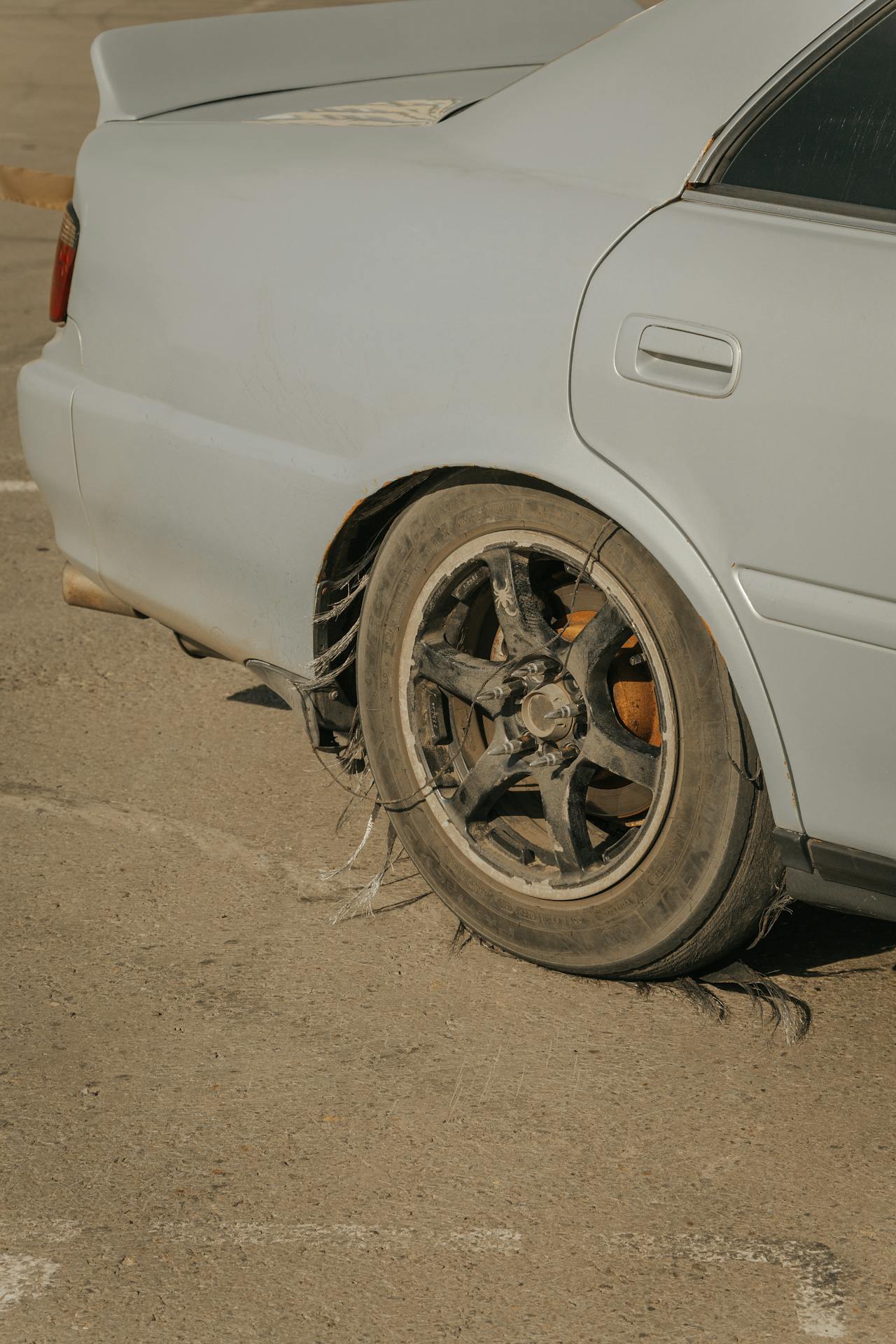
Tires provide visible insight into alignment, suspension, and driving habits. Uneven wear reduces safety, fuel efficiency, and handling.
Uneven Wear and Alignment Problems
Modern low-profile tires amplify alignment sensitivity. Minor misalignment can destroy tread quickly and increase rolling resistance.
Common symptoms / trigger points:
- Inner or outer shoulder wear
- Steering pull
- Vibration at highway speeds
- Uneven tread depth
Key Takeaways
- Tire wear patterns diagnose suspension issues.
- Regular rotation extends tire lifespan.
- Alignment improves fuel efficiency and safety.
Approximate Repair Budget (2025)
- Wheel alignment: $90–$150
- Tire rotation: $40–$80
- Tire replacement (set): $600–$1,200
7. Suspension and Steering Problems
Suspension components absorb road impact and maintain stability. Wear develops gradually, often unnoticed until handling degrades significantly.
Ride Quality and Steering Control Issues
Worn shocks, struts, and bushings reduce traction and braking effectiveness—especially on uneven roads.
Common symptoms / trigger points:
- Excessive bouncing
- Nose diving during braking
- Loose or wandering steering
- Clunking noises over bumps
Key Takeaways
- Suspension wear affects braking distance.
- Problems worsen gradually, masking danger.
- Ignoring wear accelerates tire damage.
Approximate Repair Budget (2025)
- Shock/strut replacement: $500–$1,500
- Control arm repair: $400–$1,200
8. Fuel System Problems
Fuel delivery systems in modern vehicles require precise pressure and atomization. Minor issues can cause performance loss and emissions failures.
Fuel Delivery and Efficiency Issues
Clogged injectors or failing fuel pumps restrict fuel flow, causing hesitation, poor mileage, and hard starts.
Common symptoms / trigger points:
- Hesitation under load
- Poor fuel economy
- Engine sputtering
- Hard starting
Key Takeaways
- Fuel system issues often mimic ignition problems.
- Dirty injectors reduce efficiency and power.
Approximate Repair Budget (2025)
- Fuel injector cleaning: $150–$300
- Fuel pump replacement: $600–$1,500
9. Electrical and Sensor Failures
Modern vehicles rely on dozens of sensors. Electrical faults can trigger false warnings or disable safety systems.
Sensor and Wiring Issues
Moisture intrusion, corrosion, and aging wiring cause intermittent failures that are difficult to diagnose.
Common symptoms / trigger points:
- Random warning lights
- Features disabling unexpectedly
- Erratic gauge readings
Key Takeaways
- Electrical faults often appear intermittent.
- Diagnostics are essential before part replacement.
Approximate Repair Budget (2025)
- Sensor replacement: $150–$500
- Electrical diagnostics: $100–$200
10. Warning Lights and Ignored Alerts
Dashboard warning lights are early alerts—not suggestions. Ignoring them often multiplies repair costs.
Understanding Warning Severity
Some warnings indicate minor issues, while others require immediate shutdown to prevent damage.
Common trigger points:
- Check engine light
- Temperature warnings
- Oil pressure alerts
Key Takeaways
- Warning lights escalate if ignored.
- Early diagnostics save thousands.
Approximate Repair Budget (2025)
- Diagnostic scan: $75–$150
- Minor repair: $100–$400
- Major repair (ignored warning): $2,000+
Conclusion
Maintaining a vehicle in 2025 requires a hybrid ownership mindset—one that respects proven mechanical fundamentals while actively leveraging modern diagnostics and preventive maintenance. Although today’s vehicles are more connected and software-driven than ever, the most costly breakdowns still stem from familiar issues: battery and charging failures, overheating engines, neglected braking systems, transmission fluid degradation, and unresolved car AC problems.
Proactively addressing common car problems and solutions is no longer just about avoiding inconvenience—it is a financial and safety strategy. Early diagnosis of issues such as misfires, refrigerant leaks, or uneven tire wear can prevent cascading failures that turn minor repairs into multi-thousand-dollar replacements. Consistent inspections, fluid services, and sensor diagnostics extend vehicle lifespan, improve fuel efficiency, and maintain braking and handling reliability under real-world driving conditions.
For readers seeking deeper technical context and safety benchmarks, organizations such as the Insurance Information Institute (III) regularly publish data on repair trends, crash prevention, and ownership costs, while the National Highway Traffic Safety Administration (NHTSA) provides authoritative guidance on vehicle safety standards, recalls, and warning indicators. Additionally, industry-backed resources from institutions like the Automotive Training Centre offer insight into emerging vehicle technologies and diagnostic best practices shaping the 2025 automotive landscape.
Ultimately, informed maintenance decisions—grounded in both traditional mechanical knowledge and modern diagnostic awareness—remain the most effective way to reduce long-term ownership costs, preserve vehicle safety, and ensure dependable performance in an increasingly complex automotive era.
FAQ
What is the most common reason for a check engine light?
A loose or faulty fuel cap is the most common cause, though sensor failures are also frequent.
How often should I change my spark plugs in 2025?
Most vehicles require replacement every 30,000–100,000 miles, depending on plug type.
Why does my car AC blow warm air only when idling?
This usually indicates a failing condenser fan or low refrigerant pressure.
Can I jump-start a car with a modern electronic system safely?
Yes, if proper grounding procedures are followed to protect sensitive ECUs.
What does a sweet smell in the engine bay mean?
A sweet odor almost always signals a coolant leak.