- Always check the vehicle history report to uncover past accidents, title issues, or mileage inconsistencies.
- Inspect the mechanical condition, including the engine, transmission, and fluids, or hire a mechanic for a pre-purchase inspection.
- Examine the exterior and interior for damage, wear, or signs of neglect that could affect safety or comfort.
- Assess tires, brakes, and suspension to ensure a smooth, safe ride and avoid costly repairs.
- Verify all documentation and legal papers, including title, registration, and VIN consistency.
- Conduct a thorough test drive to evaluate performance, handling, and potential hidden problems.
- Watch for red flags and warning signs that can be used for negotiation or to reconsider the purchase.
Buying a used car can be both exciting and nerve-wracking. On one hand, it offers an opportunity to get a quality vehicle at a fraction of the cost of a new one. On the other hand, there are risks of purchasing a car with hidden issues that could cost you thousands in repairs. The key to a successful purchase lies in knowing exactly what to check before making a decision.
This guide will walk you through the 10 essential things to look for when buying a used car, ensuring you make a smart investment that will serve you for years to come.
1. Vehicle History Report: What Does Your Used Car’s Past Reveal?
When buying a used car, understanding its history is crucial. A vehicle history report provides insights into previous accidents, title issues, odometer readings, and service records. Without this information, you’re essentially buying the car blindly, which can lead to unexpected problems later on.
Many services, like Carfax or AutoCheck, allow you to access these reports using the car’s VIN. Look for red flags such as major accidents, flood damage, or inconsistent mileage. Even minor accidents should be noted, as they can affect the car’s long-term reliability and resale value.
Additionally, a clean history report can be a negotiation tool. If the report shows past damage or irregularities, you can adjust your offer accordingly. Always request this report before making any payment or commitment.
2. Mechanical Condition: Is the Engine Healthy?
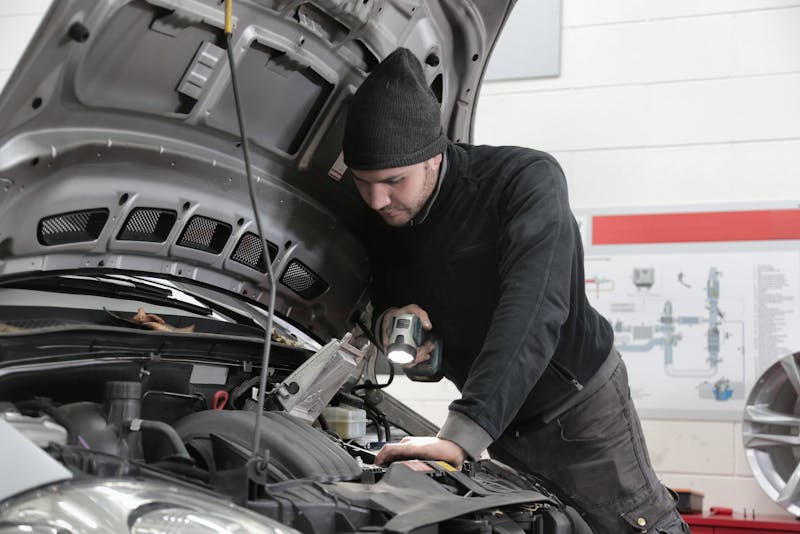
The mechanical condition of a used car is perhaps the most critical factor in your decision-making process. A car may look perfect on the outside, but hidden engine or transmission issues can cost a fortune in repairs. Knowing what to inspect and asking the right questions can save you from future headaches.
Start by checking the engine for leaks, corrosion, or unusual noises. Inspect belts, hoses, and fluid levels, including oil, coolant, and transmission fluid. Any signs of neglect could indicate poor maintenance. A test drive is also essential to feel how the car performs under different conditions—listen for knocking, vibrations, or irregular shifts.
Hiring a trusted mechanic for a pre-purchase inspection is a wise move. Professionals can identify problems that are not visible to an untrained eye, giving you peace of mind and bargaining leverage.
3. Exterior and Body Condition: How to Spot Hidden Damage
The exterior condition of a used car can reveal a lot about how it was treated by previous owners. Minor scratches are normal, but significant dents, rust, or mismatched paint might indicate past accidents or neglect. Paying attention to these details can help you avoid costly repairs down the line.
Check the alignment of doors, hood, and trunk; uneven gaps may signal a previous collision. Inspect the paint for color variations or overspray, which can point to repainting. Don’t forget to examine the undercarriage and wheel wells for rust, especially in regions prone to heavy snow or flooding.
A thorough exterior inspection is not just about aesthetics—it’s about safety and longevity. Cars with severe rust or structural damage can compromise your safety and reduce the vehicle’s lifespan significantly.
4. Interior Features and Comfort: Does It Match Your Lifestyle?
The condition of a used car’s interior is a key factor in both comfort and functionality. Signs of heavy wear, such as ripped seats or damaged panels, can indicate frequent or rough use, while broken electronics may lead to costly repairs. Assessing the interior helps ensure the car aligns with your daily needs and personal preferences.
Carefully examine the seats, dashboard, and flooring for stains, tears, or lingering odors. Test all systems, including the air conditioning, heating, infotainment, and power-operated components. Make sure that adjustable seats, mirrors, and safety features like airbags and seatbelts are fully operational.
A well-kept interior often signals that the vehicle has been properly maintained. Choosing a car with a comfortable and functional cabin increases your chances of a long-term, satisfying ownership experience.
5. Tire Condition and Alignment: Are You Driving Safely?
Tires are more than just a safety feature—they provide critical insight into the car’s maintenance history. Uneven tire wear can signal alignment problems, suspension issues, or neglect. Checking the tires ensures that the vehicle is roadworthy and ready for long-term use.
Examine the tread depth on all tires and look for signs of uneven wear patterns. Inspect the sidewalls for cracks, bulges, or punctures. A test drive can also help detect alignment issues if the car pulls to one side or the steering feels off-center.
Replacing tires and fixing alignment issues can be costly. Identifying these problems before purchase allows you to negotiate a better price or reconsider the vehicle altogether.
6. Mileage and Usage: Does the Odometer Tell the Whole Story?
Mileage is a key indicator of a car’s wear and tear. While low mileage is generally preferred, it’s not the only factor to consider. The type of driving—city versus highway—also affects the car’s longevity.
Compare the odometer reading with the vehicle’s service records. Inconsistent records may indicate tampering or negligence. Keep in mind that high-mileage vehicles can still be reliable if properly maintained, while low-mileage cars with poor care can develop significant issues.
Understanding the usage pattern helps set realistic expectations for repairs and maintenance. Consider the car’s age and mileage together to evaluate its remaining life and potential resale value.
7. Brakes and Suspension: Are You Getting a Smooth Ride?
A smooth, safe ride depends on well-maintained brakes and suspension. These systems are essential for both comfort and safety, and their condition can reveal hidden problems in a used car.
Test the brakes for responsiveness, unusual noises, or vibrations during the test drive. Check the suspension by driving over bumps and observing how the car handles. Listen for clunks, rattles, or excessive bouncing, which may indicate worn shocks or struts.
Addressing brake or suspension issues after purchase can be expensive. A careful inspection ensures that the car is safe to drive and helps you avoid unforeseen repair costs.
8. Documentation and Legal Checks: Are You Buying with Confidence?
Ensuring that all documents are in order is crucial when buying a used car. Missing paperwork or unresolved legal issues can cause major headaches and even put you at risk legally. A thorough review protects your investment and ensures a smooth transaction.
Check the title to confirm the seller owns the car and that there are no liens. Review registration documents and confirm that the Vehicle Identification Number (VIN) matches across all records. Make sure the car has a valid inspection certificate, if required in your region.
Verifying documentation prevents potential fraud and ensures you can legally drive and resell the vehicle in the future. Never finalize a purchase without confirming the legal status of the car.
9. Test Drive Insights: How to Evaluate Performance

A test drive is one of the most revealing steps in evaluating a used car. It allows you to experience the vehicle’s handling, engine performance, braking, and comfort firsthand. Skipping this step can result in missing critical issues that are not visible during a static inspection.
During the drive, pay attention to acceleration, steering response, and braking efficiency. Listen for unusual noises from the engine, transmission, or suspension. Test the car under different conditions, such as uphill, downhill, and stop-and-go traffic, to identify potential problems.
Taking the time to conduct a comprehensive test drive ensures that the car meets your expectations for performance, comfort, and safety. It also provides leverage in price negotiations if minor issues are detected.
10. Things to Look for When Buying a Used Car: Red Flags and Negotiation Tips
Knowing what to look for when buying a used car is key to avoiding bad deals and securing a fair price. Red flags can include mechanical problems, excessive wear, incomplete service history, or signs of flood or accident damage. Identifying these early saves you from costly mistakes.
Look for mismatched paint, fluid leaks, worn-out tires, or strange odors inside the car. Ask the seller detailed questions about previous owners, maintenance schedules, and accident history. If any issues arise, use them as negotiation points to lower the price or request repairs before purchase.
Being thorough and vigilant during the inspection process ensures you buy a reliable car that suits your needs. Knowledgeable buyers are more confident, make smarter decisions, and ultimately enjoy better long-term value from their purchase.
Conclusion
Buying a used car can be a rewarding experience if you know what to look for. From checking the vehicle’s history and mechanical condition to inspecting tires, brakes, and interiors, each step plays a critical role in making a safe and cost-effective purchase. A comprehensive approach, including test drives and document verification, ensures that you avoid hidden pitfalls and make a confident decision. By following these 10 essential checks, car buyers can secure a reliable vehicle that meets their needs, budget, and long-term expectations.